01
Entrepreneurs
Producers, traders and operators enter the ecosystem to build enterprises.
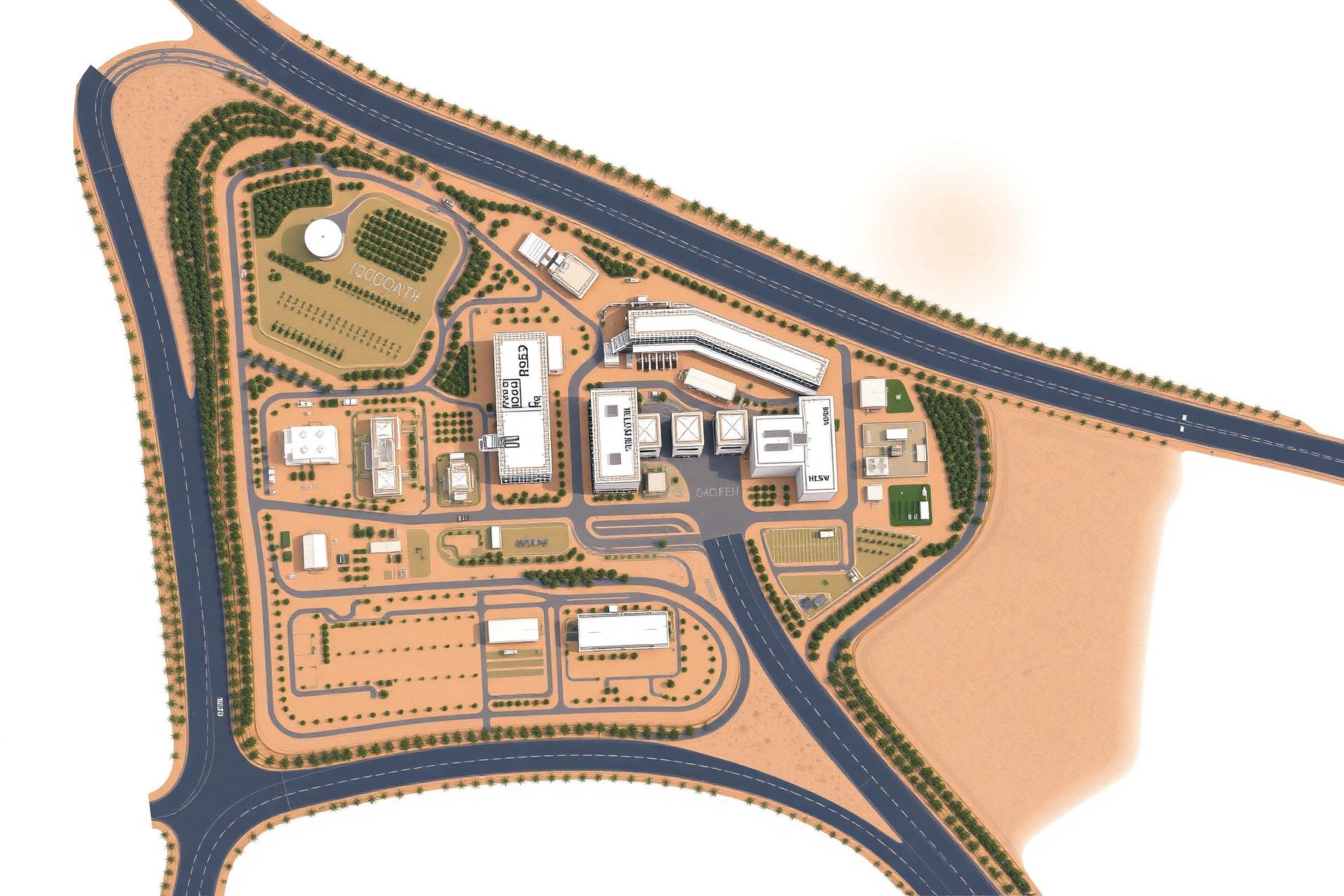
The Framework
Connecting producers, infrastructure and markets through one integrated system.
Section 01 — The Ecosystem
Every stage — from the entrepreneur to the export market — is connected through shared institutions and public infrastructure. The same flow applies to any productive industry operating inside Suuq Al-Madina.
Producers, traders and operators enter the ecosystem to build enterprises.
Regulated marketplaces where raw inputs are valued, traded and routed forward.
Shared production, storage and logistics facilities rented at productive cost.
Sector-led collectives that pool skills, share costs and uphold standards.
Finished goods are produced inside shared facilities by guild operators.
An open civic exchange where finished products meet traders and buyers.
Goods circulate to retailers, businesses and consumers across the country.
Export-ready goods reach regional and global markets through Berbera Port.
A digital suuq mirroring every transaction, opening participation worldwide.
Surplus returns to the institution to fund the next round of infrastructure.
New stalls, infrastructure, guilds and industries are added in measured phases.
Section 02 — Core Institutions
Three institutions hold the ecosystem together — the Public Marketplace, Infrastructure as a Service, and the Guilds.
The Public Marketplace is where traders purchase finished products from guilds and sell directly to domestic customers and export buyers. It is governed by transparent rules, fair pricing and open participation — a civic platform rather than a private exchange.
Entrepreneurs rent access to professional-grade equipment, processing lines and logistics instead of purchasing expensive machinery. Shared infrastructure lowers the cost of starting an enterprise and lets producers scale without taking on heavy capital risk.
Guilds allow independent operators to collaborate, share costs, train apprentices and increase productivity — while maintaining full ownership of their own businesses. They organise standards, collective bargaining and continuous learning across each sector.
Section 03 — Expansion
As demand increases, Suuq Al-Madina grows outward from the central marketplace — adding stalls, infrastructure, guilds and entire industries in measured phases.
New trading bays open as demand grows, widening access for producers and buyers.
Additional processing halls, storage and logistics capacity follow demand signals.
New collectives form around emerging crafts, services and value chains.
Adjacent sectors — fisheries, textiles, manufacturing — join the ecosystem in phases.
Section 04 — The Cycle
A self-sustaining loop where revenue from production funds the next round of infrastructure — compounding shared productive capacity over time.