Public Marketplace
An open exchange where producers, guilds and capital converge under transparent rules.
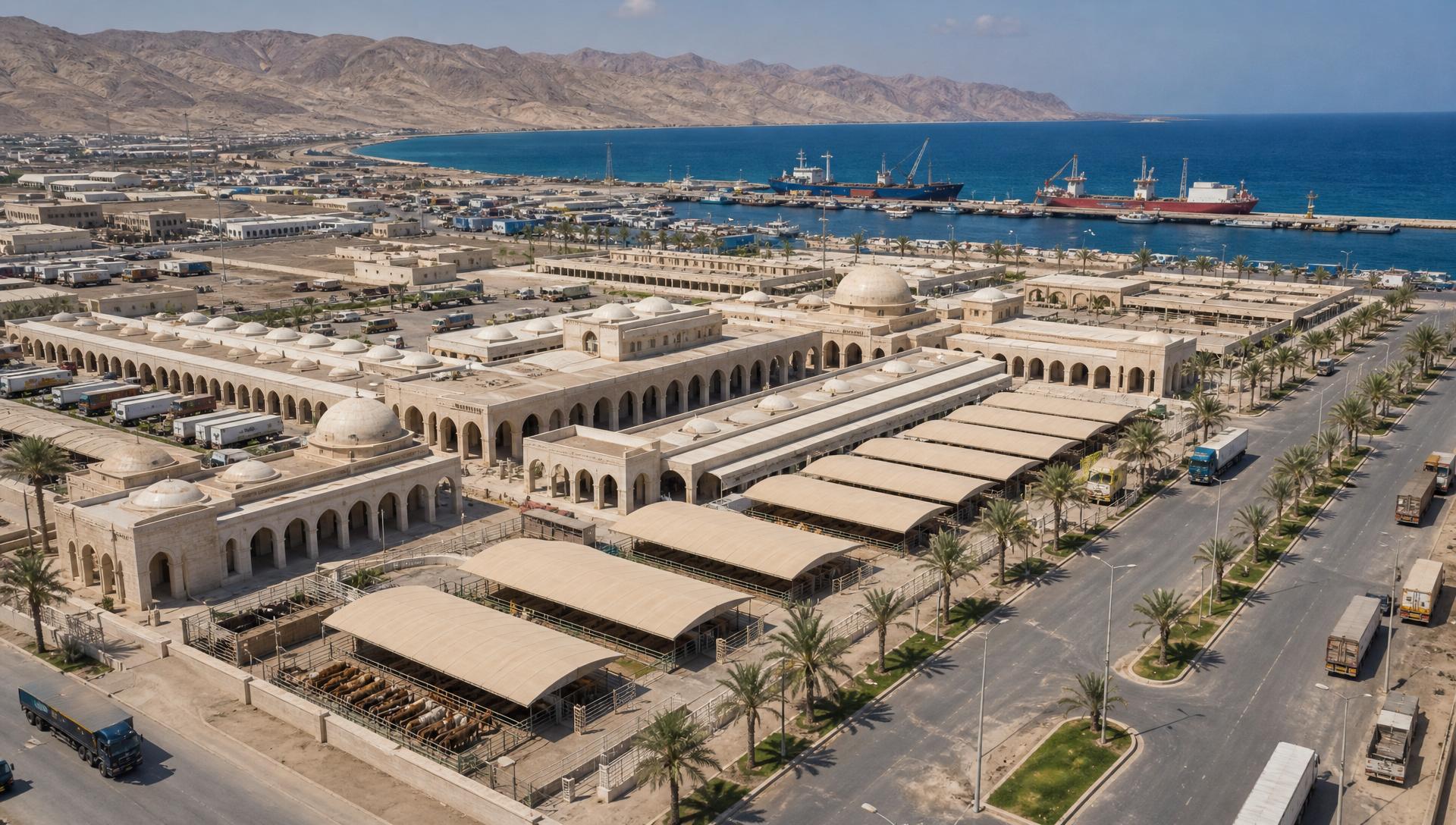
An Institution for Economic Sovereignty
A self-sustaining public economic ecosystem built around shared infrastructure, productive participation, open public marketplaces and continuous expansion.
Section 01
Entrepreneurs across emerging economies do not lack ambition. They lack access to the productive infrastructure that turns enterprise into prosperity.
Capital is fragmented. Logistics are unreliable. Standards are inconsistent. Even the most disciplined operator is forced to rebuild basic foundations from scratch — at a cost no single enterprise should bear alone.
The result is a generation of producers operating below their potential, and economies that export raw potential while importing finished value. Closing that gap is not a matter of subsidy. It is a matter of shared infrastructure.
Section 02 — The Framework
Five interconnected layers move public capital into private productivity and circulate surplus back to the commons.
An open exchange where producers, guilds and capital converge under transparent rules.
Shared physical and digital infrastructure offered at productive cost to every entrant.
Sector-led collectives that govern standards, training and collective bargaining.
Independent operators who scale enterprises within a guided, low-friction environment.
Surplus is reinvested into the commons, compounding shared productive capacity.
Public Marketplace → Infrastructure as a Service → Guilds → Entrepreneurs → Prosperity
Section 03 — Example Industry
One practical application of the ecosystem. Future industries — fisheries, agriculture, textiles, manufacturing and others — will operate through the same institutional model.
Organised, transparent commerce in healthy livestock.
Modern halal slaughtering, processing and packaging.
Hides processed into high-value leather goods.
Bones, fats and organs transformed into commercial value.